How Seasonal Changes Affect Construction Clean Up in Social Circle, GA


Understanding Seasonal Changes
Seasonal changes can significantly impact construction projects, and understanding these effects is crucial for effective clean-up operations in Social Circle, GA. As the seasons transition, construction sites experience changes in weather conditions, which in turn influence the clean-up processes.
Georgia's climate is characterized by hot summers, mild winters, and rainy springs, each bringing unique challenges to construction sites. Being prepared for these variations helps ensure that projects remain on schedule and within budget.

The Impact of Weather on Construction Clean-Up
The weather plays a vital role in construction clean-up. During the hot and humid summer months, dust control becomes a priority. High temperatures can cause materials to dry out and crumble, creating additional debris.
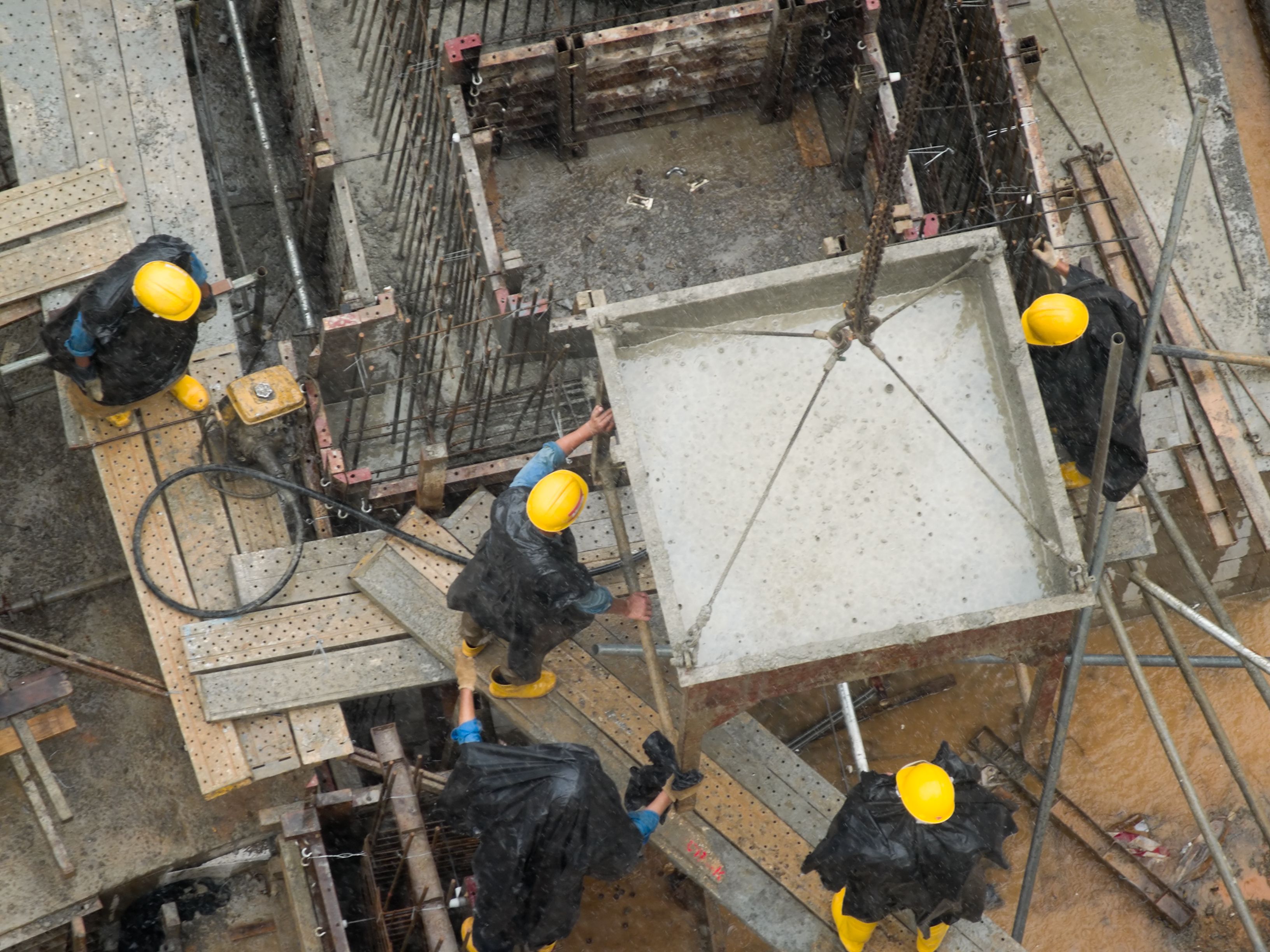
Conversely, the rainy season brings its own set of challenges. Heavy rainfall can lead to muddy conditions, making it difficult to manage waste and maintain site cleanliness. Proper drainage systems must be in place to tackle water accumulation and prevent delays.
Planning for Winter Conditions
While winters in Social Circle are generally mild, occasional cold snaps can disrupt construction activities. Frost and ice may accumulate on surfaces, posing risks to both workers and equipment. Ensuring that pathways are clear of ice and snow is essential for safety and efficiency.
Additionally, shorter daylight hours during winter months can affect scheduling. It's important to plan clean-up operations to maximize daylight, ensuring that tasks are completed without the need for additional lighting, which can increase costs.
Utilizing Seasonal Strategies
Adapting clean-up strategies to each season can greatly enhance efficiency. For example, in summer, using dust suppression techniques like water spraying can minimize airborne particles. In contrast, during the rainy season, employing water-resistant materials for temporary walkways can help manage mud and water.
Regularly updating clean-up protocols to reflect seasonal conditions ensures that the construction site remains safe and productive year-round. This proactive approach reduces the risk of weather-related setbacks and contributes to smoother project execution.

Environmental Considerations
Environmental factors also play a role in construction clean-up, especially when considering local flora and fauna. During certain seasons, protecting nearby ecosystems becomes a priority. Implementing eco-friendly clean-up practices can minimize environmental impact and comply with regulations.
Proper waste management, recycling, and safe disposal of materials are essential components of an environmentally conscious clean-up strategy. By prioritizing sustainability, construction projects can positively contribute to the local community.
Conclusion
Seasonal changes in Social Circle, GA, present both challenges and opportunities for construction clean-up. By understanding and adapting to these variations, construction managers can enhance site safety, efficiency, and environmental responsibility.
Whether dealing with summer dust, winter frost, or spring rain, a well-prepared clean-up strategy ensures that construction projects remain on track, delivering successful outcomes for all stakeholders involved.